How to Invest in Unlisted Shares: A Complete Guide for Investors

Introduction
People who invest money are looking for ways to make money outside of the stock market. One thing they can do is buy shares. This means they can buy parts of companies before those companies are listed on a stock exchange. Unlisted shares can be a way to make money grow but you have to be careful and think about the long term. This guide will tell you how to buy shares, what is good about them, what the risks are and what you need to think about before you put your money in.
Explore our Unlisted Share Investment Solutions
What Are Unlisted Shares?
Before you put your money into shares you need to know what unlisted shares are and how they are different from the shares of companies that are listed on the stock market. Unlisted shares are, from companies that are not public they are private and when people buy or sell unlisted shares they do it directly with each other not through the stock market like people do with publicly traded stocks.
1. Definition of Unlisted Shares
Unlisted shares are equity shares of companies that are not traded on recognised stock exchanges like the NSE or BSE.
Key characteristics include:
Bought and sold through private transactions.
Not available on regular stock exchanges.
Can be transferred through authorised intermediaries.
Often belong to private or pre-IPO companies.
Many investors choose to invest in unlisted shares to gain early exposure to companies before they become publicly listed.
2. Why Companies Remain Unlisted
Not every successful business is listed on the stock exchange. Many companies remain private for strategic reasons.
Common reasons include:
Raising capital privately.
Maintaining promoter ownership.
Preparing for a future IPO.
Funding business expansion.
Avoiding public market regulations.
Many well-known businesses spend years operating as unlisted shares before launching their IPO.
3. Types of Unlisted Shares in India
There are different categories of unlisted shares in India, each offering unique investment opportunities.
Popular types include:
Pre-IPO shares.
Private company shares.
ESOP shares sold by employees.
Shares of delisted companies.
Understanding these categories helps investors select opportunities that match their financial goals.
The Secret to Successful Mutual Fund Investing: Choosing the Right Strategy
Why Investors Choose to Invest in Unlisted Shares
People are getting more interested in shares because they think they can make more money from them and spread their investments around. Unlisted shares are a bit riskier. They also give you chances to make money that you cannot get from shares that are listed on the stock market. Unlisted shares are really about getting a return on your investment and that is why people like them.
1. Early Investment Opportunity
One of the biggest advantages of choosing to invest in unlisted shares is the opportunity to invest before a company goes public.
Benefits include:
Early ownership in promising businesses.
Potential appreciation before an IPO.
Long-term wealth creation.
Access to high-growth companies.
2. Portfolio Diversification
Diversification helps reduce overall investment risk.
Including unlisted shares in India within your portfolio can provide:
Exposure beyond listed markets.
Access to emerging industries.
Better portfolio balance.
Additional growth opportunities.
3. High Growth Potential
Many private companies experience rapid business expansion before becoming publicly listed.
Potential advantages include:
Strong business growth.
Increase in company valuation.
Potential listing gains.
Long-term capital appreciation.
4. Access to Promising Businesses
Some of India's fastest-growing companies begin their journey as private businesses.
Investors can access:
Innovative startups.
Technology companies.
Manufacturing businesses.
Financial services companies.
Consumer-focused brands.
4 Ways to Invest in Mutual Funds: Choosing the Best Strategy for Your Financial Goals
How to Invest in Unlisted Shares
If you're planning to invest in unlisted shares, following a structured process can help reduce risk and improve your investment decisions.
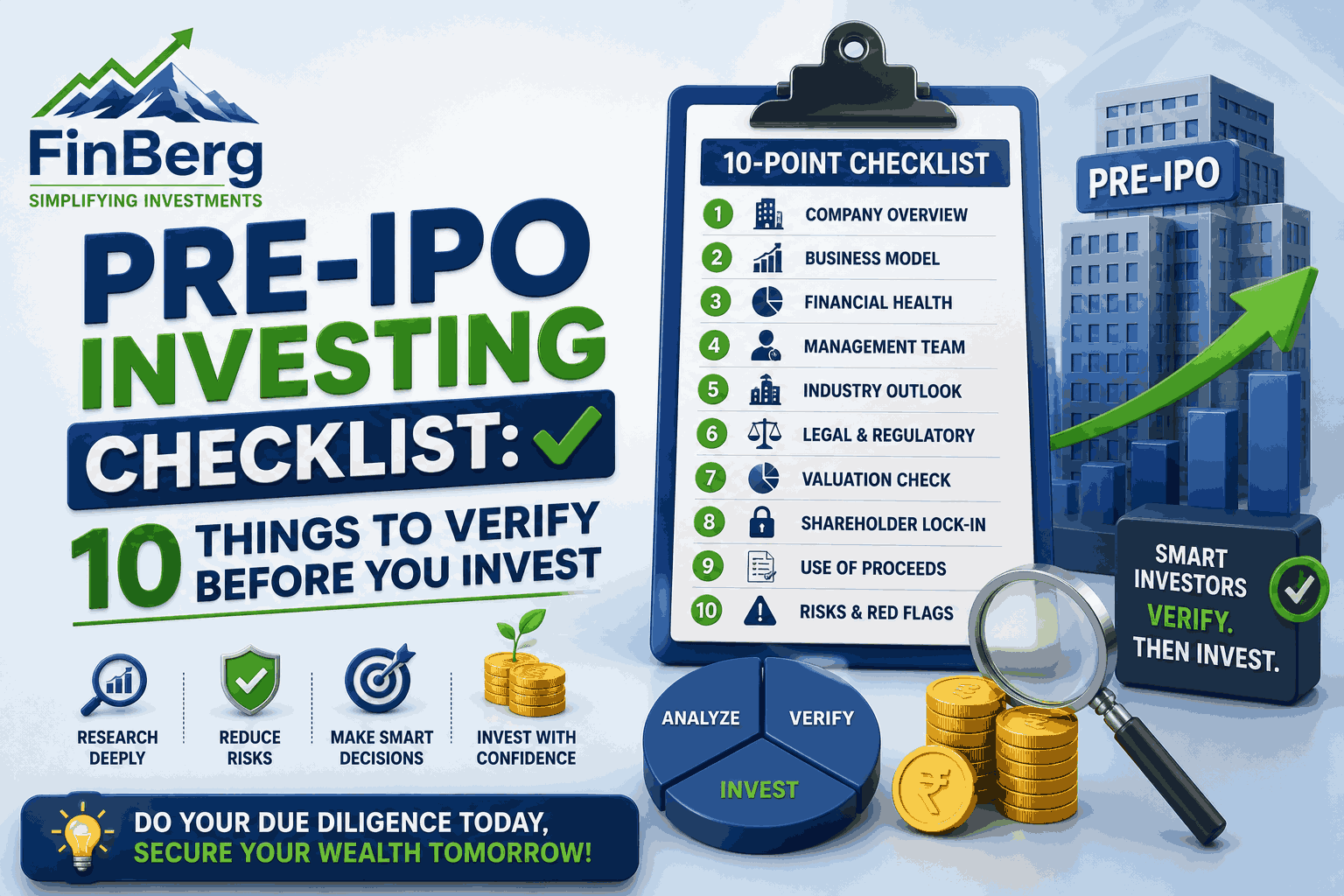
1. Research the Company
Thorough research is essential before investing.
Evaluate:
Business model.
Revenue growth.
Profitability.
Industry position.
Promoter background.
Future expansion plans.
The better your research, the more confident you'll feel about your investment.
2. Choose a Trusted Investment Platform or Broker
Always work with a reliable intermediary.
Before investing, verify:
Market reputation.
Transaction transparency.
Pricing structure.
Customer reviews.
Regulatory compliance.
Trusted platforms simplify the process of buying unlisted shares in India.
3. Complete KYC Requirements
Most transactions require standard documentation.
Keep these ready:
PAN Card.
Aadhaar Card.
Demat Account.
Bank Account Details.
Identity proof.
Completing KYC ensures a smooth investment process.
4. Evaluate Share Valuation
Valuation plays an important role when you invest in unlisted shares.
Consider:
Company valuation.
Earnings potential.
Industry comparisons.
Revenue growth.
Future IPO possibilities.
Avoid investing solely based on market rumours or hype.
5. Complete the Transaction
Once you've selected the company, the purchase process begins.
This generally includes:
Confirming share price.
Making payment.
Executing transfer documents.
Receiving shares in your Demat account.
Settlement confirmation.
6. Monitor Your Investment
Your work doesn't end after purchasing the shares.
Regularly monitor:
Company announcements.
Financial performance.
Business expansion.
IPO developments.
Industry trends.
Keeping track of these factors helps you make better long-term decisions.
How High-Net-Worth Investors Use PMS to Beat Market Benchmarks
Benefits and Risks of Investing in Unlisted Shares
Every investment comes with advantages and challenges. Understanding both helps investors make informed decisions before they invest in unlisted shares.
₹500 SIP Can Make You a Crorepati: Best Funds to Start Today
Things to Consider Before Investing
Before investing, evaluate whether this asset class matches your financial goals and investment profile.
1. Investment Horizon
Long-term investors generally benefit the most from unlisted shares because these investments may take several years to generate returns.
2. Risk Appetite
Since unlisted shares in India involve higher uncertainty, they are more suitable for investors comfortable with moderate to high risk.
3. Liquidity Requirements
Unlike listed stocks, selling unlisted shares may take time. Invest only if you don't need immediate access to your funds.
4. Company Fundamentals
Study the company's financial performance, business model, leadership team, and future growth prospects before making a decision.
5. Regulatory Compliance
Ensure every transaction follows applicable regulations and is completed through trusted intermediaries.
6. Exit Strategy
Plan your exit before investing. Your exit could happen through a future IPO, private sale, or acquisition.
International Equity vs Indian Equity: Where Are the Better Equity Investment Opportunities in 2026?
Common Mistakes to Avoid
While there are attractive opportunities in this market, many investors make avoidable mistakes. Understanding these common errors can help you invest in unlisted shares with greater confidence and reduce unnecessary risks.
1. Investing Without Proper Research
Buying shares based on market rumours or recommendations can lead to poor investment decisions.
Before investing, always:
Study the company's business model.
Review financial performance.
Understand the industry outlook.
Research the promoters and management.
Compare the company's growth with competitors.
2. Ignoring Company Valuation
Paying too much for a company's shares can reduce future returns, even if the business performs well.
Always evaluate:
Company valuation.
Revenue growth.
Profitability.
Future business potential.
Industry benchmarks.
3. Investing Too Much in One Company
Concentrating your entire investment in a single business increases risk.
A balanced portfolio should:
Include multiple companies.
Spread investments across sectors.
Reduce overall portfolio risk.
Balance growth opportunities.
4. Overlooking Liquidity Risk
Unlike listed stocks, selling unlisted shares may not happen immediately.
Before investing, consider:
How long you can stay invested.
Availability of buyers.
Possible exit options.
Your future cash requirements.
5. Following Market Rumours
Speculation often drives prices of unlisted shares in India, especially before an expected IPO.
Instead of relying on rumours:
Verify company information.
Follow official announcements.
Study financial reports.
Make data-driven decisions.
6. Expecting Quick Returns
Many investors expect immediate profits after they invest in unlisted shares.
Remember:
These investments are generally long term.
Business growth takes time.
IPO plans may change.
Patience often leads to better results.
How Much Life Insurance Coverage Do You Really Need in 2026?
Tips for Successful Investing in Unlisted Shares
A disciplined approach can improve your investment experience while helping you manage risk effectively.
1. Diversify Your Investments
Instead of investing everything in one company, spread your investments across multiple businesses.
Benefits include:
Reduced portfolio risk.
Better balance across industries.
More stable long-term performance.
Greater growth opportunities.
2. Invest for the Long Term
Successful investors focus on long-term value rather than short-term price movements.
Long-term investing offers:
Better capital appreciation.
Time for business growth.
Potential IPO gains.
Lower impact of short-term market fluctuations.
3. Verify Company Information
Always confirm the authenticity of information before making an investment.
Check:
Company financials.
Annual reports.
Management team.
Business performance.
Industry outlook.
4. Stay Updated on IPO News
Many investors purchase unlisted shares with the expectation of a future public listing.
Regularly monitor:
IPO announcements.
Company updates.
Regulatory filings.
Industry developments.
5. Review Your Portfolio Regularly
Your investment portfolio should evolve as your financial goals change.
Periodic reviews help you:
Monitor company performance.
Assess portfolio balance.
Identify underperforming investments.
Make informed investment decisions.
6. Consult Financial Experts
Professional guidance can help you understand company valuations, risks, and suitable investment opportunities.
An experienced advisor can assist with:
Portfolio planning.
Risk assessment.
Investment selection.
Long-term financial planning.
Top Pre-IPO Companies in India That Investors Are Watching Closely
Who Should Invest in Unlisted Shares?
Not every investment option suits every investor. Before you invest in unlisted shares, evaluate whether this asset class matches your financial objectives and risk tolerance.
1. Long-Term Investors
Investors with a long investment horizon are generally better suited because these investments may take several years to generate returns.
2. Experienced Investors
Those familiar with equity markets and company analysis are often better prepared to evaluate private businesses.
3. Investors with Higher Risk Tolerance
Since unlisted shares in India carry higher risk than listed stocks, they are more suitable for investors comfortable with market uncertainty.
4. Portfolio Diversification Seekers
Investors looking to diversify beyond traditional equity markets may consider adding carefully selected unlisted shares to their portfolio.
5. Investors Looking for Pre-IPO Opportunities
Those interested in investing before a company goes public often choose unlisted shares to participate in potential future growth.
Explore expert AIF investment opportunities
Conclusion
Investing in shares can be a good way to make money over time if you do your homework and are realistic about what you can get. Unlisted shares let you put money into companies that are growing before they become public. You have to be patient and really look into the company to make sure it is a good idea. You also need to understand the risks that come with investing in shares. If you spread your money around, look at how the company's doing and remember what you want to achieve in the long run you can make smart choices when you invest in unlisted shares in India. Investing in shares in India can be a good move if you are careful and take your time.
Explore Finberg's investment solutions and discover carefully researched opportunities to build your long-term wealth with confidence.
FAQs
What is the difference between private and public company shares?
Private company shares are not traded on stock exchanges, while public company shares are listed and can be bought or sold through recognised exchanges.
Are these investments suitable for beginners?
They may be suitable for beginners who understand the risks and conduct thorough research before investing.
How can I evaluate a company's potential?
Review its business model, financial performance, management team, industry outlook, and long-term growth prospects.
Can I sell my holdings before a company goes public?
Yes, but finding a buyer may take time because these transactions occur in the private market.
How long should I stay invested?
A long-term investment horizon is generally recommended to allow businesses time to grow.
What documents are required for purchasing private company shares?
You typically need a PAN card, Aadhaar card, Demat account, bank details, and completed KYC documentation.
How can I reduce investment risk?
Diversify your portfolio, research companies carefully, and avoid investing solely based on rumours.
Should I seek professional investment advice?
Professional guidance can help you evaluate opportunities and make informed investment decisions.
Powered by Froala Editor