
How Many Mutual Funds Should You Own Finding the Right Portfolio Size
Introduction
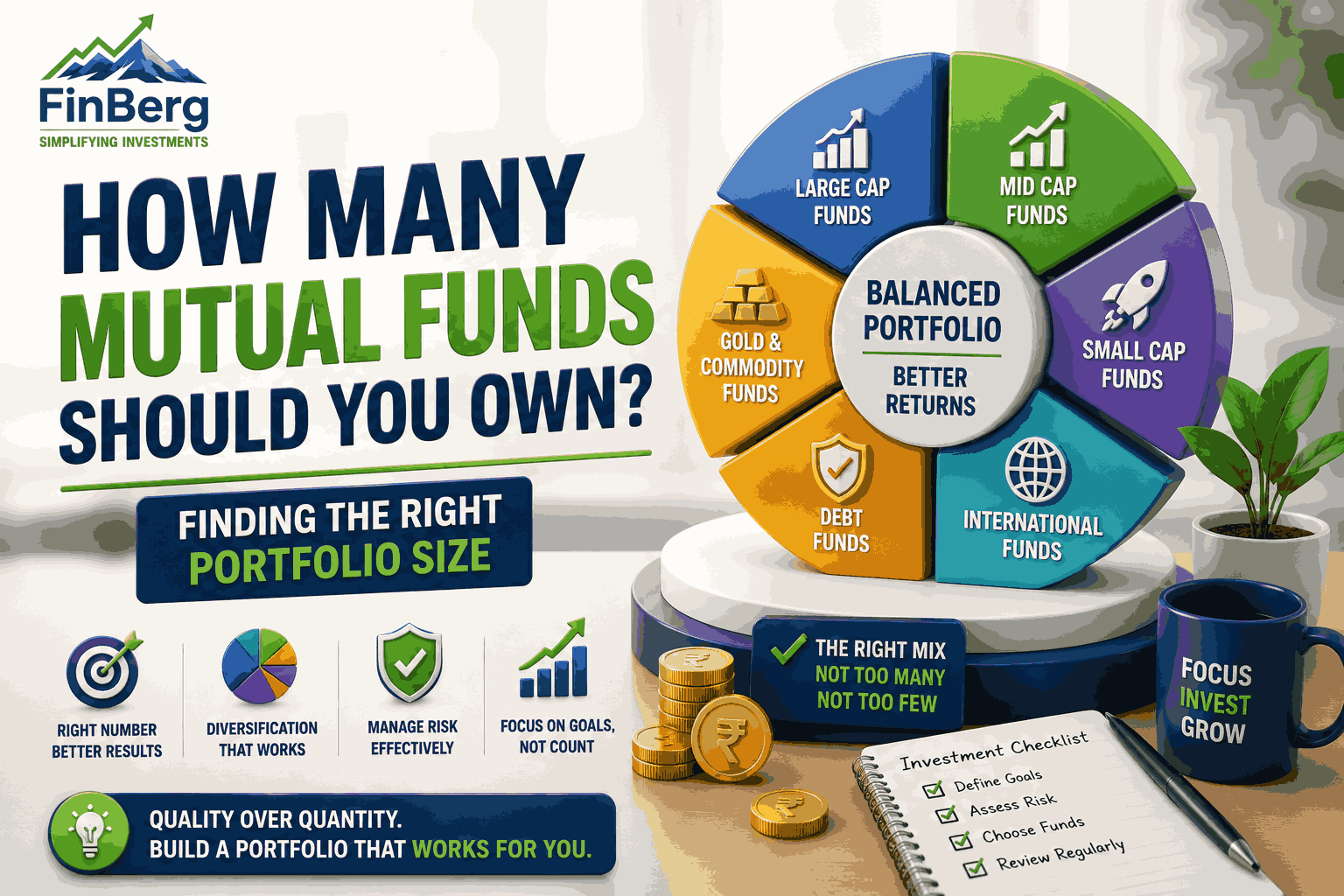
Many investors believe that owning more mutual funds automatically creates better diversification. But if you have too many similar funds it can make your investments hard to manage, without adding much diversification.
So how many mutual funds should I invest in? Your answer depends on your financial objectives, risk tolerance, investment horizon and overall asset allocation. The emphasis should be on quality and purpose, rather than on the number of schemes for a well-structured mutual fund portfolio.
Build the right mutual fund portfolio for your goals
How Many Mutual Funds Should I Invest In?
There's no one size fits all. It is contingent upon your financial situation and your reasons for investing.
1. You are able to build simple portfolio with just a handful of funds
A smaller portfolio is easier to follow and to keep track of. Don’t choose a lot of funds, rather choose the funds that satisfy different needs.
Here is a simple way to help you:
Avoid unnecessary duplication
Easily monitor investments
Make asset allocation more clear
Stay on track with financial objectives
When you ask how many mutual funds should I invest in, the answer is that quality is usually more important than quantity.
2. More Funds Do Not Always Mean More Diversification
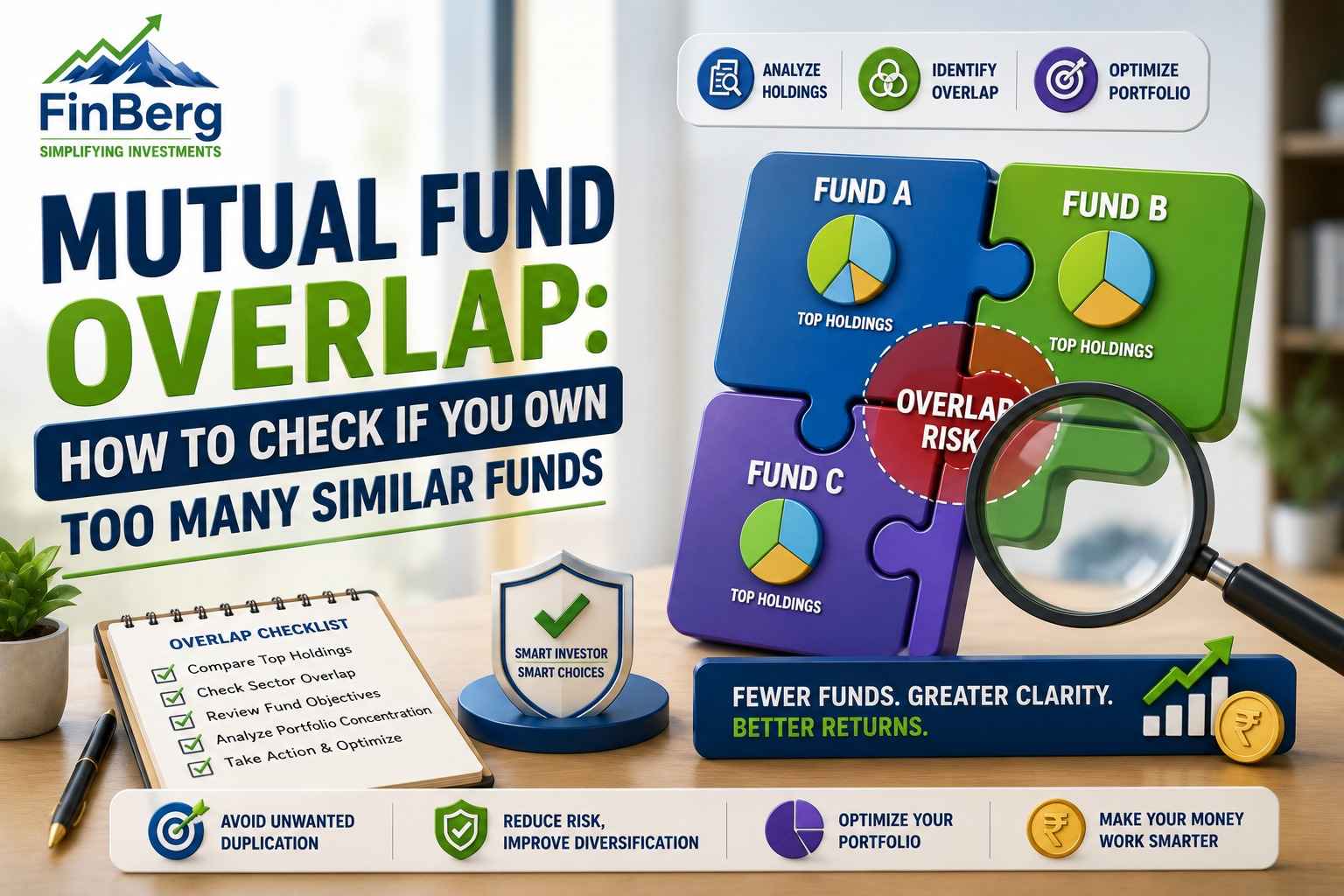
Five or six funds does not equal a well diversified portfolio. There may be some overlap in the companies they hold or the strategies they use between funds.
Owning multiple large-cap funds can lead to a lot of overlap.
Before adding another fund, make sure to check:
Top holdings
Sector distribution
Style of Investment
Market cap exposure
3. Consider Your Investment Goals
Your goals can influence the number and type of funds you need.
Common goals include:
Retirement
Children's education
Wealth creation
Home purchase
Short- and medium-term financial needs
A goal-based approach can help you determine how many mutual funds should I invest in without unnecessarily expanding your portfolio.
Should You Increase Your SIP Every Year? Step-Up SIP Explained
Factors That Determine the Right Mutual Fund Portfolio Size
Your mutual fund portfolio should be the right size for you, which depends on a number of personal factors. Don’t worry about how many investments you need, worry about how each investment fits into the overall plan.
1. Monetary Goals
Different goals may call for different investment strategies and different time horizons.
2. Taking Risks
The investor’s tolerance for equity volatility will guide their portfolio construction.
3. Investment time horizon
Shorter term goals may require more stability whereas longer term goals can usually afford to have more equity exposure.
4. Availability of Investment
Investment size should determine portfolio size. Too many funds with too little invested in each can make the portfolio unnecessarily complicated.
5. Distribution to current assets
Review all of the investments you hold in your portfolio which include:
Equity Debt
Gold Term Deposit
Other Investment.
6. Knowledge and Experience in Investments
For less experienced investors, keeping the portfolio simple and easy to understand can be helpful.
How to Calculate SIP Returns for Better Investment Planning
How Many Funds Should You Own Based on Your Portfolio Size?
There is no fixed formula for how many mutual funds should I invest in, but a practical approach is to keep the portfolio manageable.
1. Small Portfolio
A small portfolio may benefit from simplicity and broad diversification without adding unnecessary funds.
2. Medium-Sized Portfolio
A medium-sized portfolio can include additional categories when they provide a clear diversification benefit.
3. Large Portfolio
Larger portfolios may require more categories depending on financial goals, but every fund should still have a specific purpose.
These are illustrative ranges, not universal recommendations.
Difference Between SIP and Mutual Fund Explained: A Complete Guide for New Investors
How to Build a Balanced Mutual Fund Portfolio
A good mutual fund portfolio should be built around purpose rather than the number of funds you own.
1. Start With Core Funds
Core funds can provide broad exposure and form the foundation of your portfolio.
Consider:
Diversified equity
Broad-market exposure
Long-term growth funds
2. Add Funds for Specific Purposes
Additional funds may be useful when they provide exposure that your existing portfolio lacks.
Examples include:
Mid-cap exposure
Debt allocation
International exposure
Tax-saving investments
3. Avoid Unnecessary Overlap
Before adding a new fund, compare it with your existing investments.
Check whether the funds have:
Similar top holdings
Similar sector exposure
Similar investment strategies
Similar market-cap allocation
4. Maintain Appropriate Asset Allocation
Your mutual fund portfolio should reflect your risk tolerance and investment horizon.
A younger investor with a long-term goal may have a different allocation from someone approaching retirement.
Top 20 Indian Stocks for Long-Term Investors
Mutual Fund Investment: When Should You Add Another Fund?
Another fund should be added to fill a particular need of the portfolio, not just to add more investments.
1. When Your Money Target Changes
A new goal could mean a new way of investing.
2. When you need to rebalance your portfolio
If your existing portfolio has a mismatched ratio of equity and debt then you need another category of fund.
3. Diversification and New Product Line Introduction
Only add a fund if it gives you exposure you don’t already have in your existing investments.
4. If Your Risk Profile Changes
Age, income, responsibilities or financial objectives can change and require adjustments to the portfolio.
5. You have a hole in your existing portfolio
Before you add anything else, look at your portfolio. If a key category is absent, then a new purchase may make sense.
Top 10 Flexi Cap Mutual Funds: What Makes Them Attractive for Long-Term Investors?
Signs You Own Too Many Mutual Funds
Owning too many funds can make a mutual fund portfolio complicated and difficult to monitor.
1. Multiple Funds Have Similar Holdings
If several funds own many of the same companies, you may not be getting meaningful diversification.
2. You Cannot Explain Why You Own Each Fund
Every fund should have a clear purpose within your portfolio.
3. Portfolio Monitoring Becomes Difficult
If tracking investments becomes confusing, your portfolio may be unnecessarily large.
4. You Invest in Too Many Funds From One Category
Having multiple funds in the same category may increase duplication rather than diversification.
5. Your Investments Become Difficult to Track
A portfolio should be easy enough for you to understand and review regularly.
Pre-IPO Investing Checklist: 10 Things to Verify Before You Invest
Common Mistakes to Avoid
1. Buying Too Many Funds
Don't assume that more funds automatically mean better diversification.
2. Selecting Funds Only on Past Returns
Recent performance should not be the only reason for choosing a fund.
3. Chasing Every New Fund
A new fund isn't necessarily better than an existing investment.
4. Ignoring Portfolio Overlap
Always check whether your funds hold similar companies.
5. Constantly Switching Funds
Frequent changes can make your investment strategy inconsistent.
6. Investing Without Defined Goals
Your investment choices should connect with specific financial objectives.
Should You Pause Your SIP During a Market Crash?
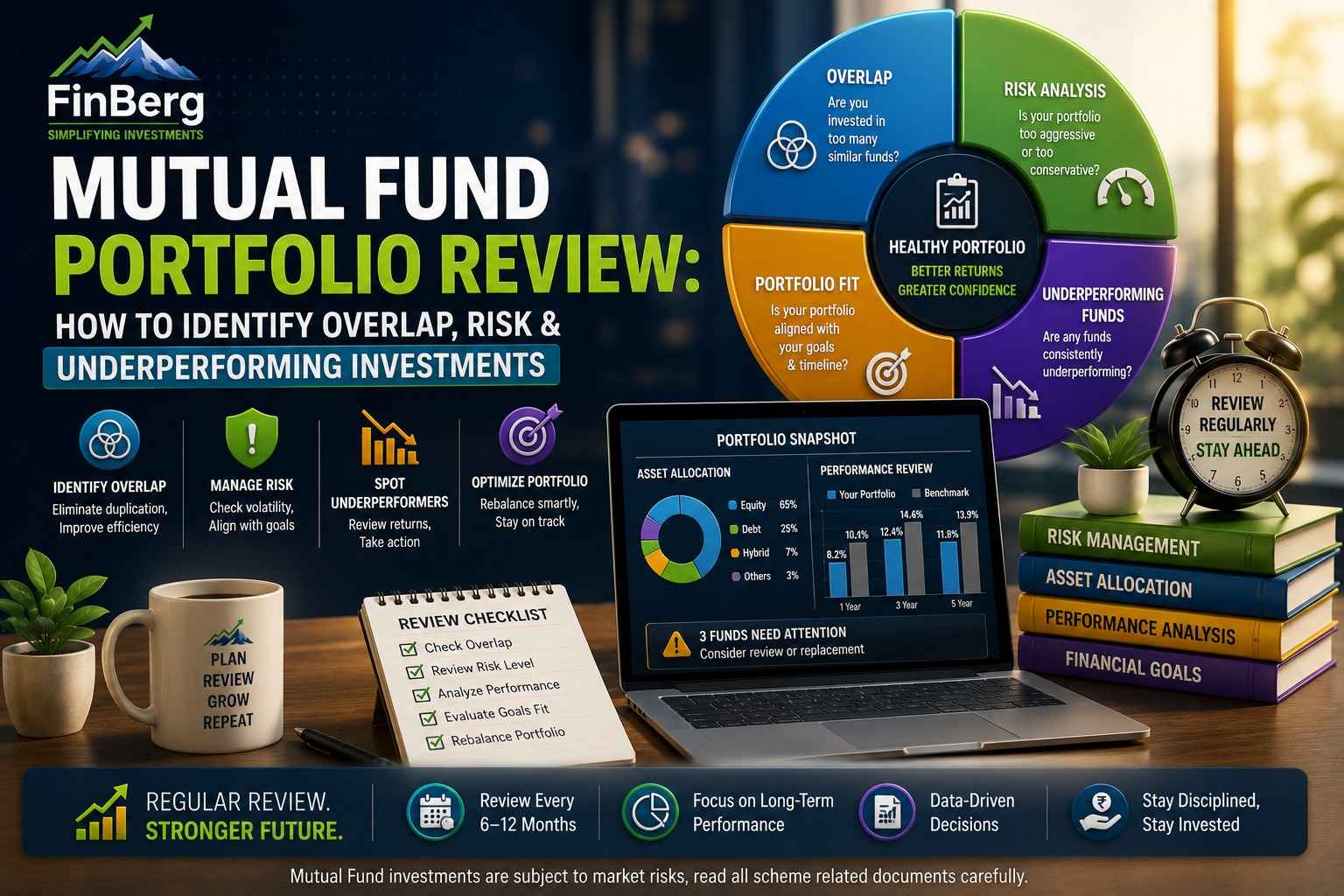
How to Review Your Mutual Fund Portfolio
A periodic review can help you determine whether your current investments still match your goals.
1. Review Asset Allocation
Check whether your equity and debt allocation remains appropriate.
2. Check Fund Performance
Evaluate long-term consistency rather than focusing only on recent returns.
3. Identify Portfolio Overlap
Compare the holdings and sectors across your funds.
4. Review Risk Level
Make sure the portfolio still matches your ability to handle market fluctuations.
5. Rebalance When Necessary
Rebalancing can help restore your intended asset allocation.
6. Align Investments With Current Goals
Your financial priorities may change over time, so your portfolio should evolve accordingly.
SIP vs One-Time Investment: Which Creates More Wealth?
Mutual Fund Investment: Quality Over Quantity
The objective of investing in mutual funds should not be to collect the maximum funds. A narrower selection of carefully selected funds can be easier to understand, monitor and manage.
1. Goal orientation
Know the reason each fund is in your portfolio.
2. Choose Additional Resources
Choose funds with varied exposure, not funds that replicate each other.
3. Cut the Portfolio Back
A simple portfolio helps in tracking and making decisions.
4. Continuous surveillance
So check your portfolio from time to time and make changes only if there is a real reason to do so.
How Much Should You Invest in Mutual Funds Every Month?
Conclusion
So how many mutual funds should I put my money into? There isn't one answer that works for everyone. The best number depends on your money goals, how much you're willing to invest how risk you can handle, how long you plan to keep the money and what you already have in your investments. A good mutual fund collection should offer variety without having too much the same thing. Of trying to own more funds focus on picking investments that have a specific reason to be there and help you reach your long-term money plans.
Build a simple and goal-focused investment strategy with Finberg. Get expert guidance to structure and manage your mutual fund portfolio with confidence.
FAQs
1. Is it better to invest in funds?
Not always. A small number of chosen funds can give you enough variety based on what you want financially and how you build your collection of investments.
2. Can having many investments create problems?
Yes. Many similar investments can make it hard to keep track of everything and can cause extra repetition in your collection.
3. How often should I review my investments?
A regular check, like one or two times a year can help make sure your collection of investments stays in line with what you want.
4. Should I invest in categories?
Different categories can offer kinds of chances but you should add a category only when it has a clear reason to be there.
5. What is portfolio overlap?
Portfolio overlap happens when several funds own many of the companies or have similar parts of the market.
6. Is diversification necessary, for every investor?
Diversification can help reduce risk. The right amount depends on what you want and how you are doing financially.
7. Should beginners keep their investment portfolio simple?
Yes. A simple collection can help beginners understand and watch their investments easily.
8. When should I consider adding another fund?
Think about adding another fund when it solves a need or gives real variety to your collection.
9. Can I consolidate investments?
Yes. If several investments do the thing checking if combining them makes sense can make your collection easier to handle.
10. How can I make my portfolio easier to manage?
Set goals, avoid extra copies check your mix of investments and make sure every investment has a clear reason to be there.
Powered by Froala Editor


_11zon.jpeg)