Market Crashes and Recoveries: What History Teaches Us and Why You Should Stay Calm

Financial markets naturally move through cycles of growth, decline, and recovery. While investors often enjoy long periods of market expansion, there are also times when markets experience sudden downturns. These downturns are commonly referred to as market crashes.
Throughout financial history, several major market crashes and recoveries have shaped global economies and investor behavior. From early financial panics to modern global crises, the stock market crash history clearly shows that market downturns are temporary events within a larger long term growth trend.
Understanding market crashes and recoveries can help investors stay calm during periods of uncertainty. Instead of reacting emotionally, informed investors focus on long term strategies and learn from previous examples of stock market recovery after crash.
How to Build a Diversified Investment Portfolio for Long Term Wealth
Understanding Market Crashes and Recoveries
A market crash occurs when stock prices decline rapidly across a broad range of companies within a short period of time. These declines can be triggered by economic instability, geopolitical tensions, financial bubbles, or unexpected global events.
Market crashes and recoveries are not uncommon in financial markets. In fact, they are part of normal economic cycles. Historically, markets tend to decline during periods of uncertainty but eventually recover as economies stabilize and businesses adapt.
Key characteristics of market crashes include
• Rapid decline in stock prices
• Increased market volatility
• Panic selling by investors
• Economic uncertainty
• Reduced investor confidence
However, the stock market recovery after crash often begins once economic conditions improve and investors regain confidence.
Major Events in Stock Market Crash History
The stock market crash history includes several major events that caused global economic disruptions. Studying these events helps investors understand how markets eventually recover.
The Great Depression Market Crash
The market crash of 1929 remains one of the most significant events in stock market crash history. The sudden collapse of stock prices led to a severe economic downturn known as the Great Depression.
Key factors behind the crash included
• Excessive speculation
• Overleveraged investments
• Weak banking systems
Despite the severe economic damage, markets eventually experienced recovery over the following decade.
How Pre IPO Platforms Are Changing Private Market Investing
The Dot Com Bubble Burst
During the late 1990s, technology companies experienced massive investor enthusiasm. Many internet companies received extremely high valuations despite limited profitability.
When the bubble burst in the early 2000s, technology stocks experienced sharp declines. This event became a major example in stock market crash history.
However, the technology sector eventually recovered and later became one of the strongest drivers of global market growth.
The Global Financial Crisis
The financial crisis of 2008 was triggered by the collapse of the housing market and failures within financial institutions. Markets around the world experienced significant declines.
Despite the severity of the crisis, the following decade saw one of the longest periods of stock market recovery after crash, supported by economic reforms and monetary policies.
The Pandemic Market Shock
Global markets experienced sharp declines during the early stages of the pandemic. Economic shutdowns and uncertainty caused investors to react quickly.
However, the stock market recovery after crash occurred faster than many experts expected due to technological innovation, fiscal support, and economic adaptation.
Are Pre IPO Platforms Safe? Legal and Regulatory Insights
Timeline of Major Market Crashes and Recoveries
This timeline from stock market crash history demonstrates that markets have repeatedly recovered from major downturns.
Why Markets Eventually Recover
Although market crashes create fear and uncertainty, historical evidence shows that markets tend to recover over time.
Several factors contribute to stock market recovery after crash.
Economic Adaptation
Businesses adapt to changing economic conditions by improving efficiency, developing new technologies, and expanding into new markets.
Government and Policy Support
Governments and central banks often introduce policies designed to stabilize financial systems and support economic recovery.
Innovation and Industry Growth
New technologies and emerging industries frequently drive future economic growth following market downturns.
Investor Confidence
As economic conditions stabilize, investors gradually regain confidence and begin reinvesting in financial markets.
These factors have repeatedly contributed to market crashes and recoveries throughout financial history.
Top Unlisted IPO Shares to Watch in 2026
Common Investor Reactions During Market Crashes
Many investors make emotional decisions during market crashes. Fear driven decisions often lead to poor investment outcomes.
Typical reactions during market crashes include
Panic selling
Investors sell assets quickly to avoid further losses.Avoiding future investments
Some investors lose confidence and stay out of markets for long periods.Following short term news
Investors react to daily market headlines rather than focusing on long term trends.
These reactions can prevent investors from benefiting from stock market recovery after crash.
10 Most Important Types of Insurance in India Everyone Should Have
Lessons from Stock Market Crash History
The stock market crash history provides valuable insights for investors.
Markets Are Cyclical
Financial markets naturally move through cycles of growth, decline, and recovery.
Long Term Investing Matters
Investors who maintain long term strategies often benefit from market recovery.
Diversification Reduces Risk
A diversified portfolio can reduce the impact of market downturns.
Patience Is Important
Investors who remain patient during downturns often experience stronger long term results.
Understanding these lessons helps investors stay calm during market crashes and recoveries.
Step by Step Tutorial: How to Invest in Mutual Funds Using Top Mutual Fund Sites
Strategies to Stay Calm During Market Downturns
Staying calm during a market crash can be difficult, but disciplined investors often achieve better results.
Effective strategies include
• Maintaining a long term investment perspective
• Avoiding impulsive financial decisions
• Reviewing portfolio diversification
• Continuing regular investments when appropriate
• Monitoring economic fundamentals instead of daily volatility
These strategies help investors navigate periods of market crashes and recoveries with greater confidence.
Comparing Investor Behavior During Crashes
This comparison shows how investor behavior influences outcomes during market crashes and recoveries.
Step by Step Guide to Investing Through India’s Largest Mutual Fund Distributor
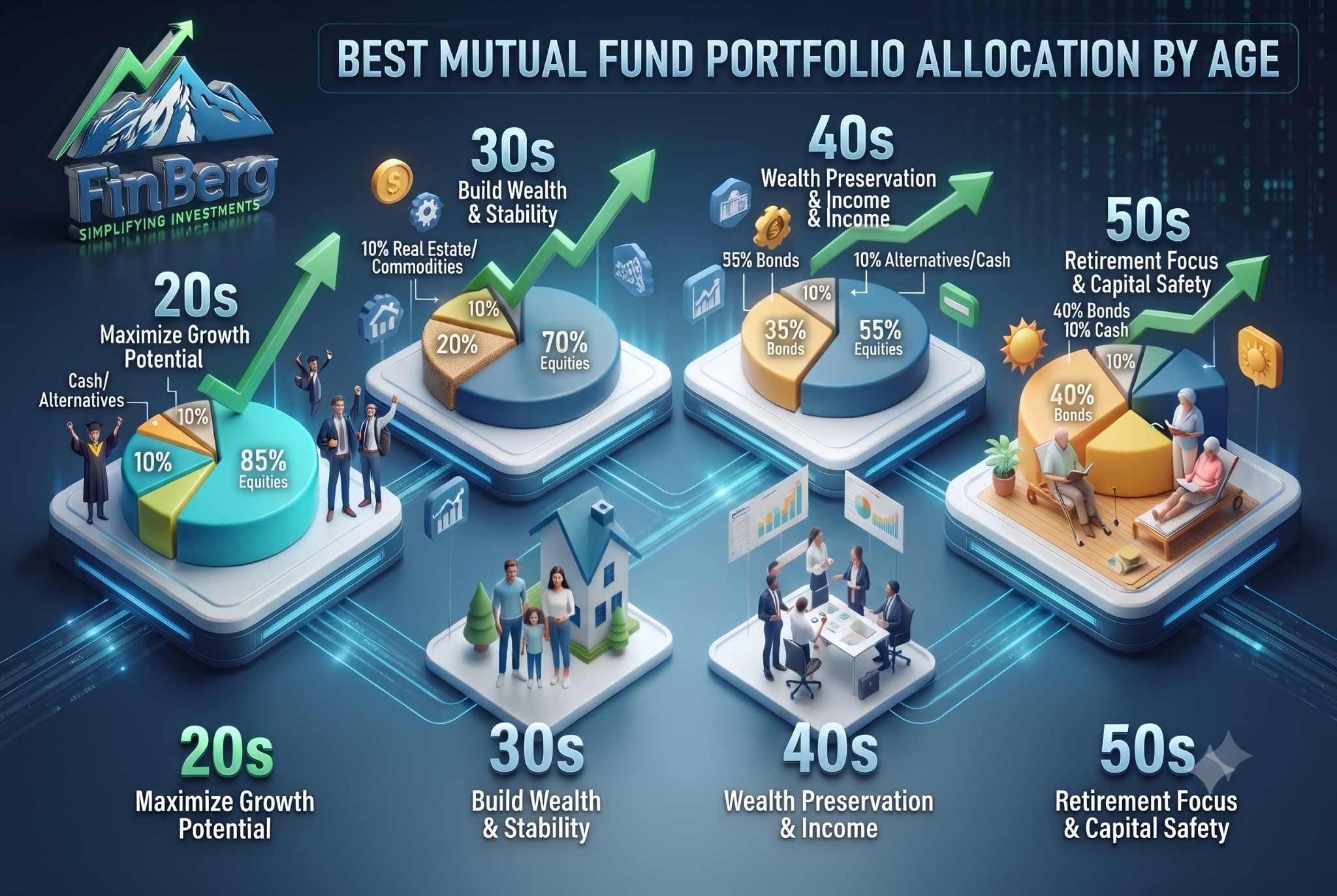
Importance of Diversification During Market Volatility
Diversification plays a critical role in managing investment risk during market crashes.
A diversified portfolio may include
• Stocks from different industries
• Bonds and fixed income investments
• Commodities such as gold
• Real estate investments
• International market exposure
Diversification helps reduce the impact of sudden market downturns and improves the chances of benefiting from stock market recovery after crash.
The Psychological Side of Market Investing
Investor psychology often plays a significant role during periods of market volatility.
Common psychological factors include
• Fear of losing money
• Herd behavior following other investors
• Overreaction to negative news
Recognizing these psychological influences can help investors maintain rational decision making during market crashes and recoveries.
Future Outlook for Market Cycles
Financial markets will continue to experience cycles of growth and decline. While predicting exact market movements is difficult, historical trends suggest that recovery often follows downturns.
Factors that may influence future market recoveries include
• Technological innovation
• Global economic development
• Policy responses to economic challenges
• Expansion of emerging industries
Understanding these patterns allows investors to better prepare for future market crashes and recoveries.
Conclusion
Market crashes and recoveries are natural parts of financial market cycles. The stock market crash history clearly shows that even severe downturns are often followed by periods of growth and recovery. While market volatility can create fear among investors, historical patterns demonstrate that patient and disciplined investment strategies tend to perform better over the long term. By understanding the causes of market crashes, maintaining diversified portfolios, and focusing on long term financial goals, investors can navigate uncertainty with confidence and benefit from the eventual stock market recovery after crash.
Invest smartly, even during market volatility contact us
FAQs
1. What are market crashes and recoveries?
Market crashes and recoveries refer to periods when financial markets experience sharp declines followed by gradual or rapid recovery.
2. What causes a stock market crash?
A stock market crash may occur due to economic crises, financial bubbles, geopolitical tensions, or unexpected global events.
3. How long does stock market recovery after crash usually take?
Recovery periods vary depending on economic conditions, but markets have historically recovered over time.
4. What is the most famous event in stock market crash history?
The 1929 market crash that triggered the Great Depression is considered one of the most significant events in stock market crash history.
5. Do all market crashes eventually recover?
While timelines vary, historical evidence shows that markets have recovered from major downturns over the long term.
6. Should investors sell during a market crash?
Many financial experts recommend avoiding panic selling and focusing on long term investment strategies.
7. How can diversification help during market crashes?
Diversification spreads investments across multiple assets, reducing overall risk during market downturns.
8. What industries often lead stock market recovery after crash?
Technology, healthcare, and innovation driven sectors often contribute to economic recovery and market growth.
9. How do governments support market recovery?
Governments may introduce financial policies, stimulus programs, and economic reforms to stabilize markets.
10. What is the best mindset during market crashes and recoveries?
Maintaining patience, focusing on long term goals, and avoiding emotional decisions are essential during market volatility.
Powered by Froala Editor